
How to make learning stick.
Our training is research-backed, feedback-driven and designed to make skills last. We combine proven methods with real-life practice, so you don’t just gain knowledge. You build confidence and capability.
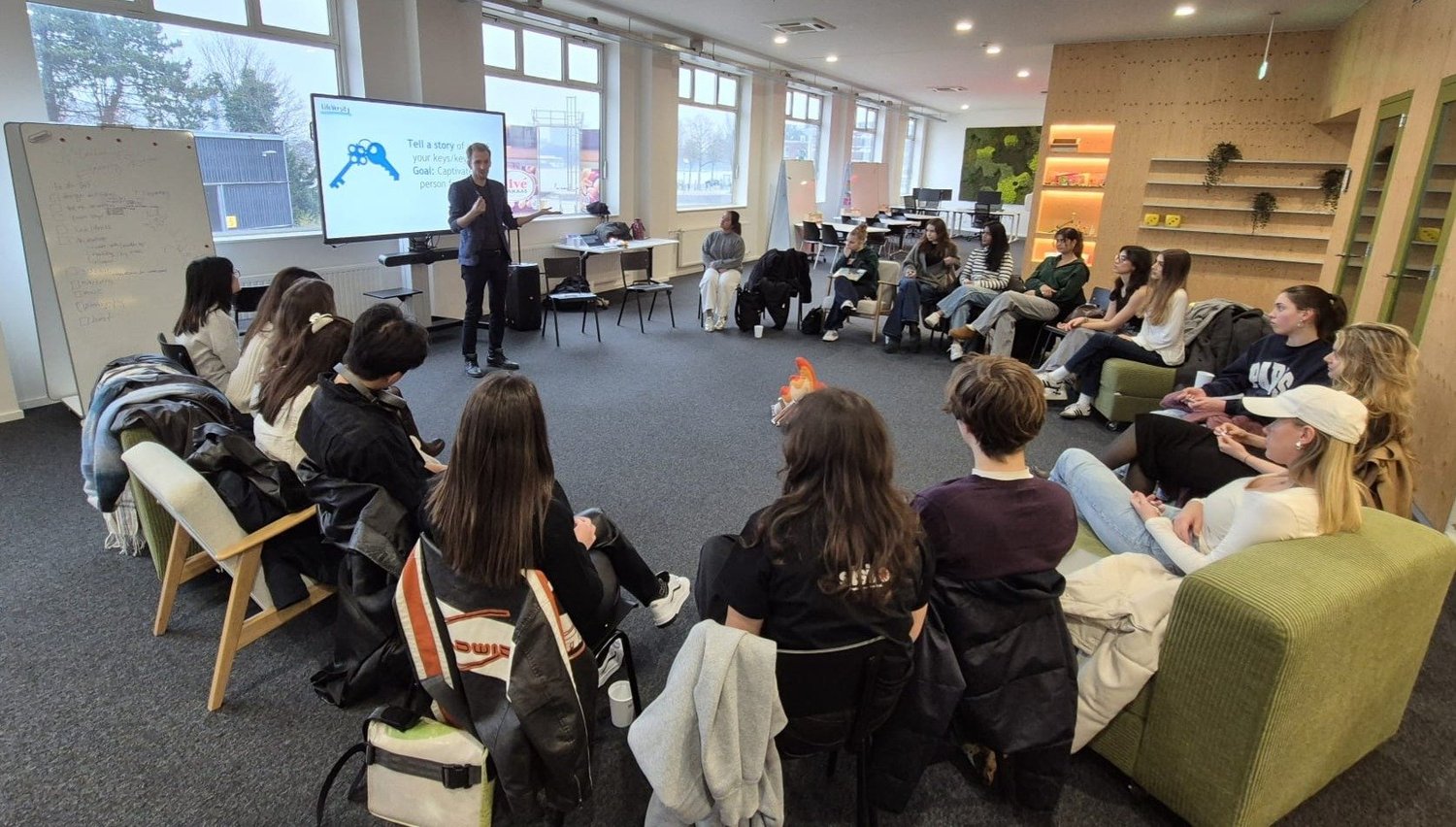
Transformation with EASE.
Four ideas behind every session we run.
Enthusiasm for learning
Curiosity, energy and passion that make learning engaging and keep you motivated.
Active learning
You learn by doing: practice, discussion and reflection, not long lectures.
Safe learning space
A supportive group where you feel confident enough to step outside your comfort zone.
Evidence-informed practice
Grounded in research and scientific insight, so what you learn is credible and effective.
What makes it stick.
Practice first
Every session is built around doing the skill: speaking, giving feedback, solving a problem. You leave with experience, not just notes.
Spaced repetition
We come back to the same skills over time instead of covering them once, because that’s how they last.
Spacing practice over time is one of the most replicated findings in learning science (Cepeda et al., 2008).Reflection and feedback
Built-in moments to reflect and get feedback from trainers and peers, so you know what to keep and what to change.
Your real situations
You practise on the presentations, conversations and problems you actually face, so the skill transfers to work and life.
The Erasmus Speaking Method.
For public speaking, we combine techniques from improvisational theatre, classical rhetoric and psychology, plus practice in front of a virtual audience in VR. It’s the method behind Speaking Monsters, developed over seven years at Erasmus University Rotterdam.
See it at Speaking Monsters →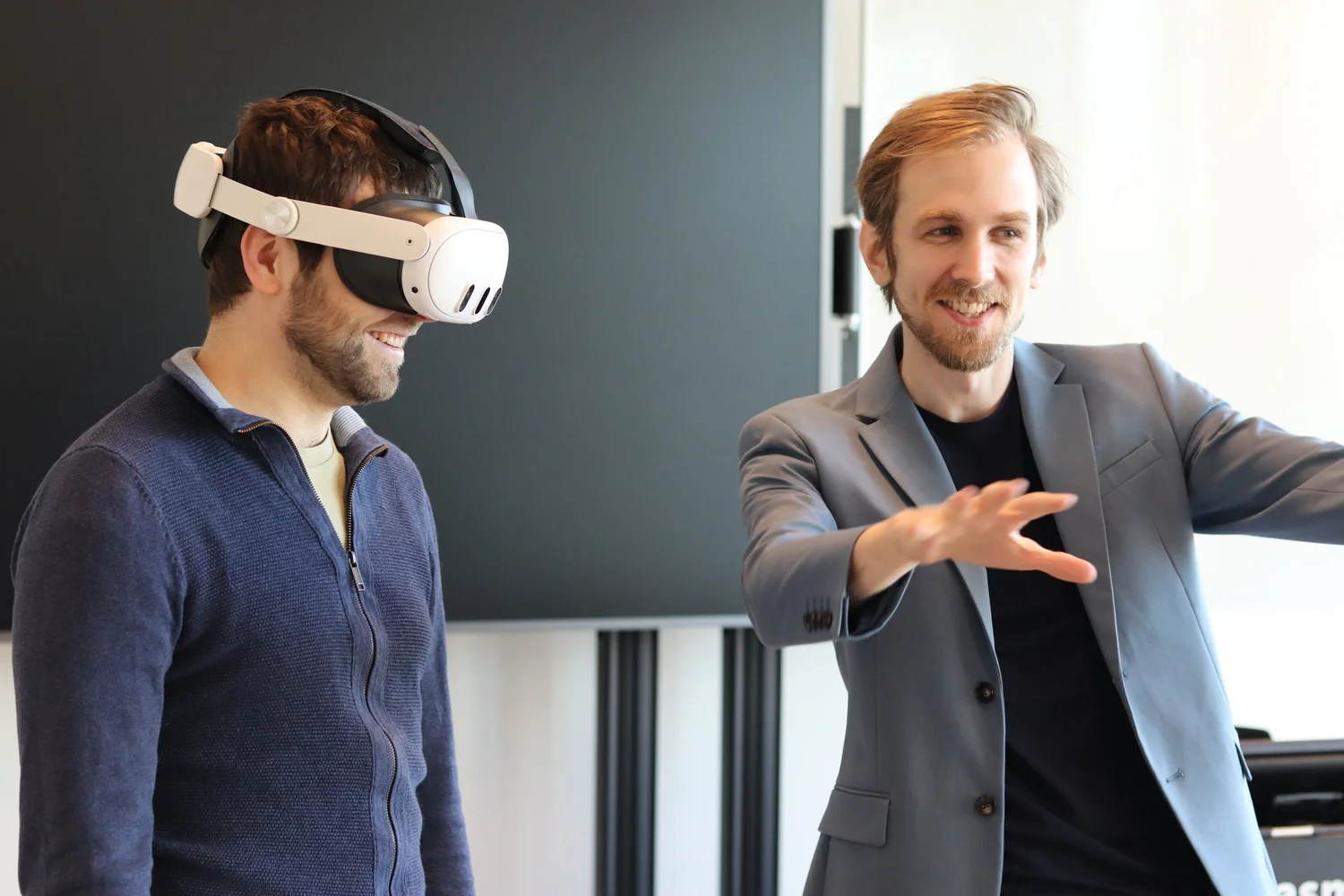
Designed for real life.
No two learners are the same, and neither are our courses. Whether you’re a student, a team leader or a non-profit partner, we shape the training around your goals.
Flexible formats
From 1:1 coaching to team workshops, we adapt to your time, your space and the way you learn.
Personalised pathways
Modular courses let you choose what matters most to you, with clear takeaways you can use straight away.
Always improving.
Skill development doesn’t end with a single session. We design training as a loop of learning, doing and refining.
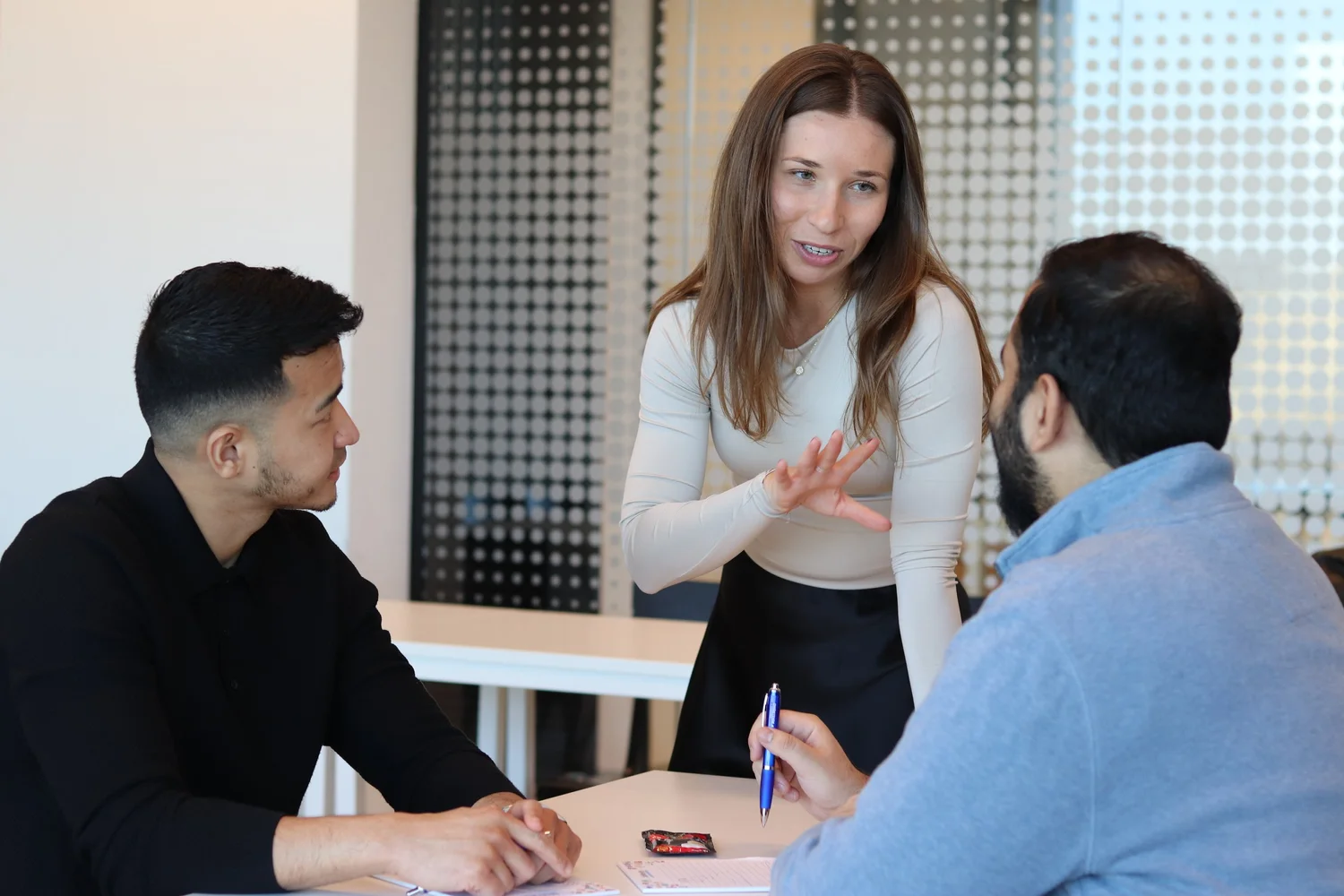
Feedback loop
Every training includes reflection and evaluation moments, so we meet learners where they are.
Continuous improvement
We keep improving our content based on what participants, trainers and partners tell us, so it stays fresh, relevant and effective.
Measured results
We ask every group how they rate the training and whether their skills improved. That’s where our 8.7 and 83% come from.
Questions, answered.
What happens during a typical session?
Most of the session is spent doing the skill: speaking, giving feedback or solving a problem, often using situations you actually face at work. After each exercise you get feedback from the trainer and your peers, and there is time to reflect on what to keep and what to change. For public speaking, you also practise in front of a virtual audience in VR.
How is progress measured?
At the end of every training we ask the group how they rate it and whether their skills improved. Across all our programmes, participants give an average rating of 8.7, and 83% report improved skills after a course. We use the same reflection and evaluation moments to keep improving the training.
What evidence informs the approach?
Our training is grounded in learning science and psychology. For example, we come back to the same skills over time instead of covering them once, because spacing practice is one of the most replicated findings in learning science (Cepeda et al., 2008). For public speaking, the Erasmus Speaking Method combines improvisational theatre, classical rhetoric and psychology, developed over seven years at Erasmus University Rotterdam.
Which skills use this method?
All of them: public speaking, communication and leadership, and creative problem solving. Each skill is taught by trainers who specialise in it. Meet our trainers or read more about LifeVersity.
Ready to grow?
Book a free call and we’ll help you find the right training for you or your team.